

January Signals the Start of Carnival Season in New Orleans
Michael Weber of The Natchez Shares a Local Perspective on Starting the New Year in the Big Easy
NEW ORLEANS, LA, UNITED STATES, December 23, 2025 /EINPresswire.com/ -- Before Mardi Gras reaches its annual peak, New Orleans enters an earlier, more understated phase of the Carnival season. January marks the official beginning of Carnival, bringing cooler temperatures, early parades, and the return of king cake. For visitors interested in the traditions of Mardi Gras but wary of peak-season crowds, this period offers a more accessible way to experience the city.Michael Weber, a New Orleans native and the co-owner and general manager of The Natchez, a boutique hotel property, says January reflects how many residents prefer to experience Carnival.
“Early Carnival is like revving the engine before the big race,” Weber said. “It has all the excitement, humor, and creativity people expect — just without the chaos of peak Mardi Gras.”
Why January Signals the Start of Carnival
New Orleans begins the year with its annual New Year’s Eve celebrations, followed by major sporting events such as the Sugar Bowl. On January 6, known as Twelfth Night, Carnival officially begins. King cakes return to bakery shelves, sparking friendly debates over favorite bakeries, and the city gradually shifts toward Mardi Gras.
January typically brings daytime highs in the 60s, making it one of the most comfortable months for walking, biking, and outdoor dining. Visitors often encounter fewer crowds at restaurants and music venues, even as the city’s cultural calendar becomes more active.
“You get to see New Orleans without breaking a sweat and without fighting the huge crowds,” Weber said. “It’s still buzzing — just in a more relaxed, intimate way.”
A Different Kind of Parade Season
January’s Carnival calendar is defined by walking parades rather than large float processions. These parades emphasize satire, handmade costumes, and close interaction with spectators.
Krewe du Vieux is known for its irreverent humor, Krewedelusion brings a surreal sensibility, and Krewe of Chewbacchus blends pop culture with traditional New Orleans flair. Weber recommends watching along Decatur Street, where parade routes intersect with nearby restaurants and bars.
“These parades are smaller, but they’re incredibly creative,” Weber said. “You’re close enough to really see the craftsmanship and the personalities behind them.”
Rethinking the Bourbon Street Assumption
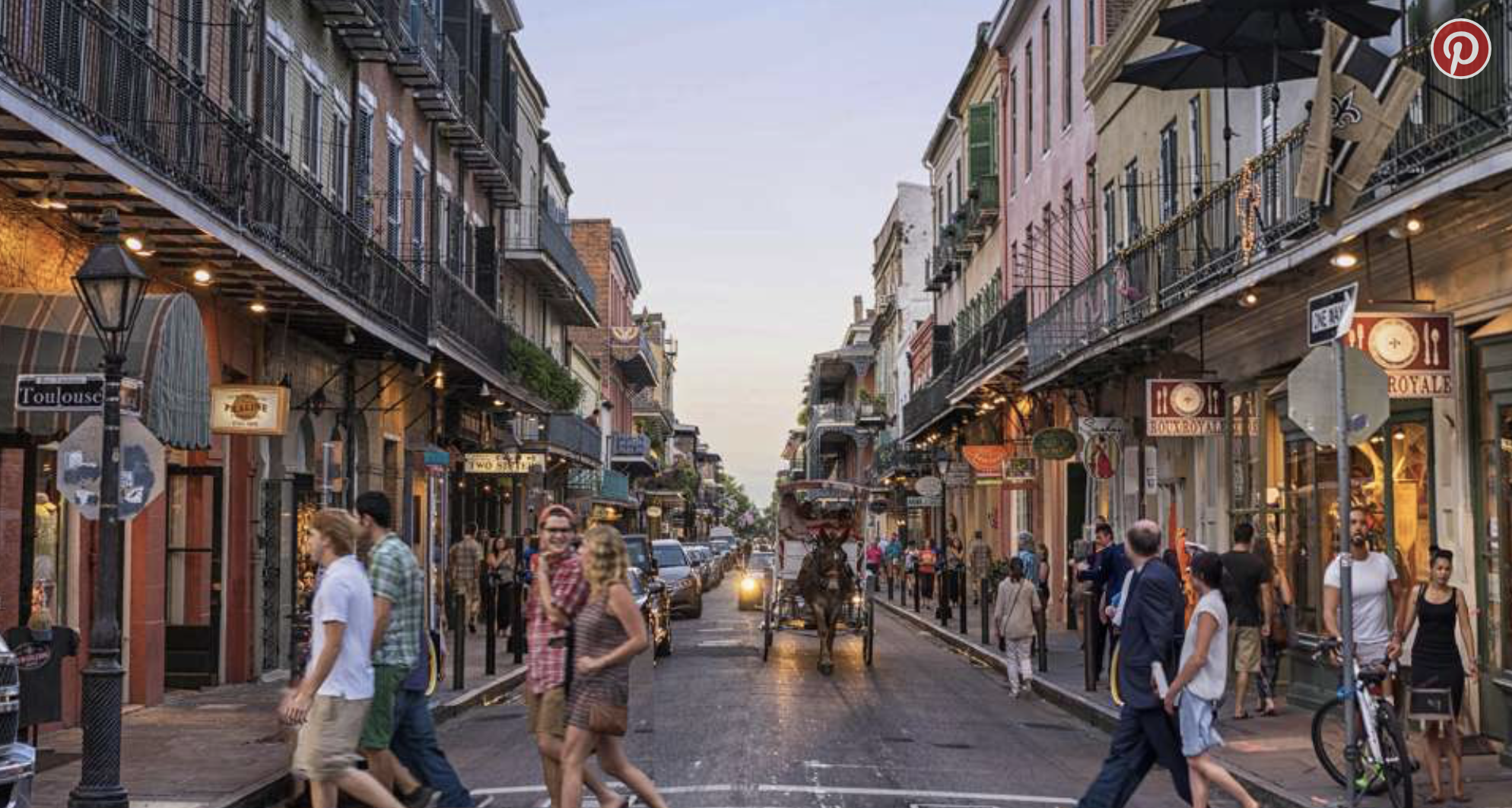
While Bourbon Street remains one of the city’s most recognizable locations, Weber encourages visitors to explore beyond it.
“Walk it. Take it in. Then go discover the city,” he said. “Mardi Gras is actually about families, friends, and neighborhoods. Ninety percent of the parade route is people just enjoying life together.”
He also notes that Mardi Gras Day itself represents the final day of Carnival, while January belongs to the season’s earlier, more locally focused phase.
Where Visitors Often Base Themselves
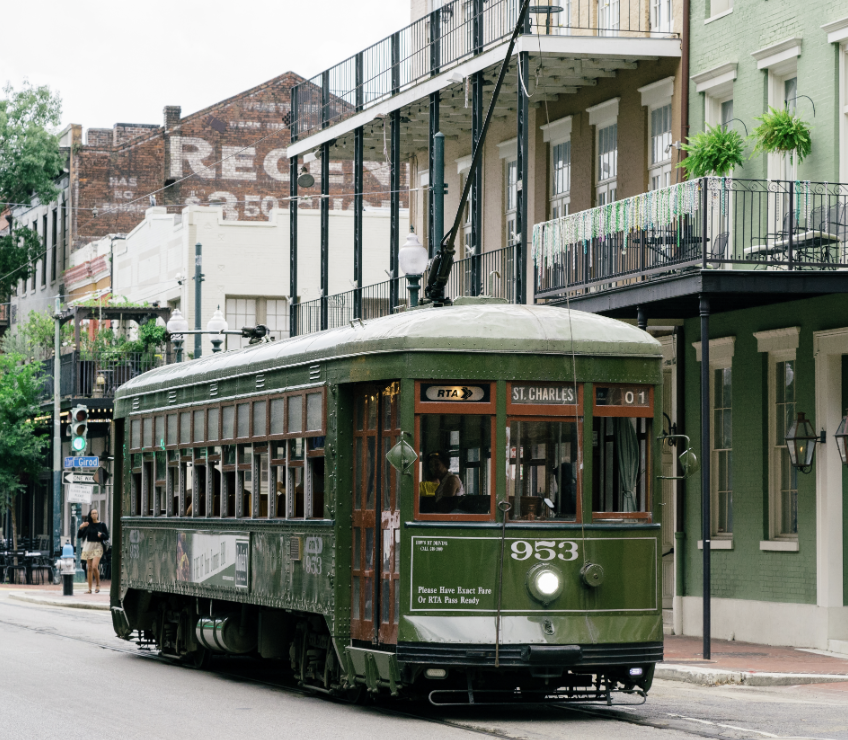
For travelers looking to stay close to the action without being immersed in it, the Central Business District - home to The Natchez - is a popular choice. Located near the French Quarter, the Arts/Warehouse District, and the St. Charles streetcar line, the CBD provides convenient access to parade routes and cultural attractions while remaining comparatively calm.
January Favorites: Food, Music, and Local Culture
Cooler January evenings lend themselves to heartier meals. Weber points to gumbo at Liuzza’s by the Track, pho at Lilly’s Cafe, and seafood-driven dishes at Station 6. He also highlights Pêche, which recently earned a Michelin Bib Gourmand, as well as Porgy’s, where Cajun and Vietnamese influences intersect. For classic New Orleans dining with a cozy, locals-only feel, Weber recommends GW Fins and Rosedale.
Music venues remain active throughout January, often with smaller crowds. DBA on Frenchmen Street, Tipitina’s, and the Maple Leaf Bar continue to host nightly performances. Weber also mentions Ms. Mae’s as a longtime neighborhood bar popular with locals after late shows.
Daytime exploration is easier during the winter months. Popular routes include the Moonwalk along the Mississippi River, Esplanade Avenue, and City Park. The city’s Blue Bikes program allows visitors to move between neighborhoods while stopping at coffee shops, galleries, and neighborhood restaurants.
Indoor cultural attractions are also popular in January. Weber recommends the National WWII Museum, The Sazerac House, JamNOLA, StudioBE, the Ogden Museum of Southern Art, and Mardi Gras World for insight into the city’s history, arts, and Carnival traditions.
Advice for First-Time Visitors
“Do the things you never thought you would,” Weber said. “Eat the crawfish. Stay up for the late set. Take the swamp tour. Accept the jello shot from the neighbor next to you at the parade. Don’t take yourself too seriously — Carnival is about letting go.”
About the Source
Michael Weber is a New Orleans native and the co-owner and general manager of The Natchez, a hospitality property located in the city’s Central Business District. His perspective reflects long-term local participation in Carnival traditions.
Crystin Pactor
Public Content
+1 713-524-2800
crystin@public-content.com
Legal Disclaimer:
EIN Presswire provides this news content "as is" without warranty of any kind. We do not accept any responsibility or liability for the accuracy, content, images, videos, licenses, completeness, legality, or reliability of the information contained in this article. If you have any complaints or copyright issues related to this article, kindly contact the author above.
