

Trim and Detail Work in Interior Spaces Shapes Structure, Function, and Visual Continuity
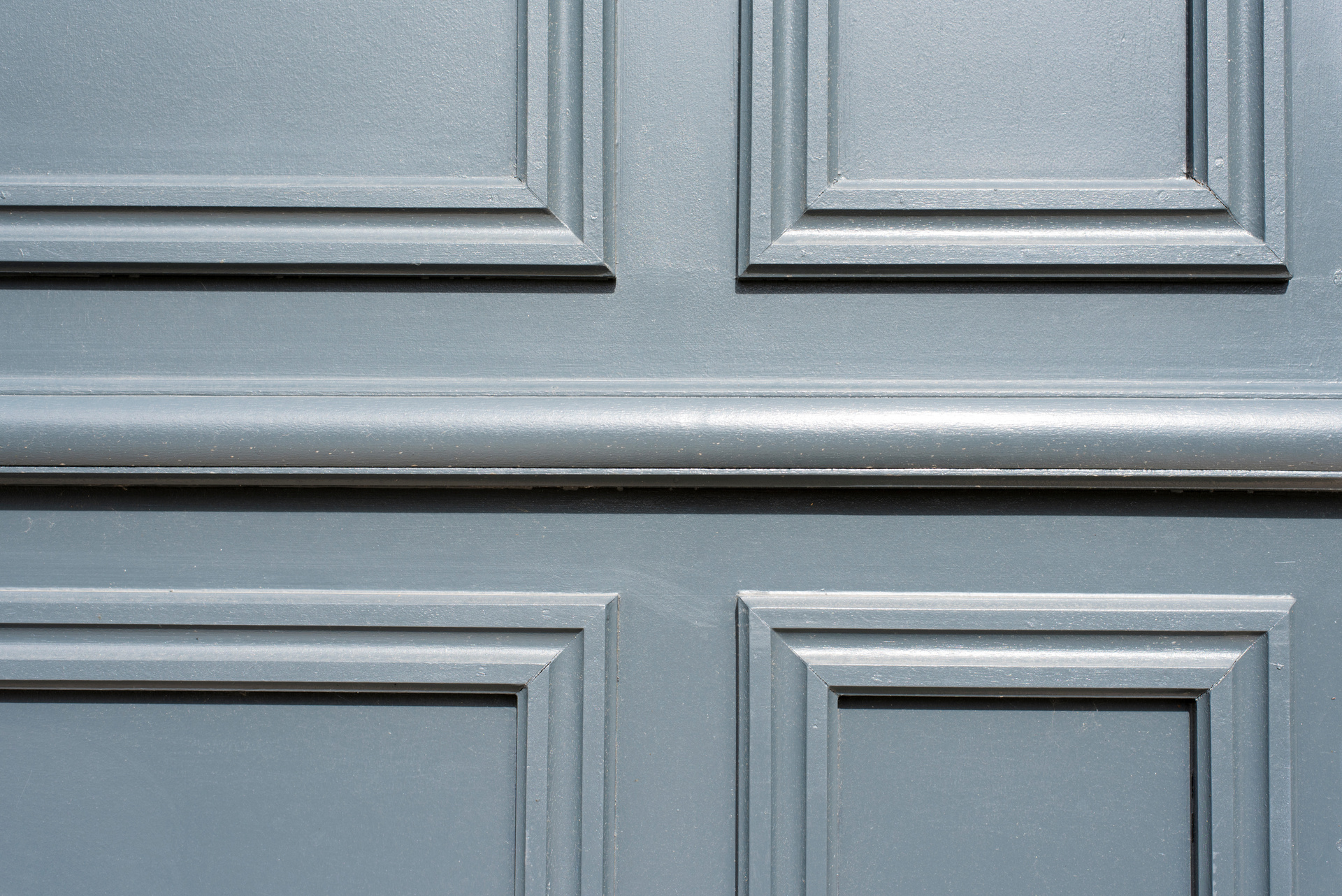

Trim connects every part of a room and defines how those parts relate to each other”
SLIDELL, LA, UNITED STATES, May 1, 2026 /EINPresswire.com/ -- Interior spaces are often defined not only by layout and materials but by the finishing elements that bring cohesion to a design. Trim and detail work, including baseboards, crown molding, door casings, and custom millwork, contribute to both the structural transition points and the visual character of a space. These elements, while sometimes subtle, influence how interiors are perceived and how effectively different components come together.— Elwin Ordoyne
Trim serves as the interface between surfaces. Baseboards connect walls to flooring, while crown molding bridges walls and ceilings. Door and window casings frame openings, creating defined edges that guide the eye. Without these elements, transitions between materials can appear abrupt or unfinished. Trim introduces a level of continuity that allows different surfaces to coexist within a unified design.
Detail work also addresses practical considerations. Expansion gaps between flooring and walls are concealed by baseboards, protecting edges and allowing materials to respond to environmental changes. Similarly, casing around doors and windows covers structural joints, reducing exposure to wear and improving durability. These functional roles often go unnoticed, yet they contribute to the longevity of interior finishes.
Proportion plays a significant role in the effectiveness of trim. The scale of molding profiles relative to ceiling height and room size affects the overall balance of a space. Larger rooms with higher ceilings often accommodate more substantial trim profiles, while smaller spaces benefit from simpler, more restrained detailing. When proportions are misaligned, trim can either overpower a room or become visually insignificant.
Material selection further influences both appearance and performance. Wood remains a common choice due to its versatility and ease of customization. Medium-density fiberboard (MDF) offers a consistent surface for painted finishes, while polyurethane and composite materials provide resistance to moisture in areas prone to humidity. Each material presents different characteristics in terms of durability, maintenance, and installation.
Installation precision is critical in achieving a cohesive result. Miters at corners, alignment along walls, and consistency in spacing all contribute to the final appearance. Even minor inconsistencies can disrupt visual continuity, drawing attention to areas that would otherwise blend seamlessly into the design. Skilled installation ensures that trim elements function as intended while maintaining a clean and consistent look.
Custom millwork introduces an additional layer of detail. Built-in shelving, paneling, and decorative molding patterns can define focal points within a room. These elements often reflect architectural styles, from traditional raised panels to more contemporary flat designs. Customization allows for integration with the overall layout, creating a sense of intentional design rather than isolated features.
Paint and finish choices also affect how trim is perceived. Contrasting trim colors can highlight architectural features, while matching trim to wall color creates a more subtle, unified appearance. Gloss levels influence how light interacts with surfaces, with higher gloss finishes emphasizing edges and profiles. These decisions contribute to the overall tone of a space without altering its structural layout.
According to Elwin Ordoyne, Vice President of E.C.O. Builders Inc. in Slidell, Louisiana, trim and detail work play a foundational role in completing interior environments. “Trim connects every part of a room and defines how those parts relate to each other,” said Ordoyne. “When the details are consistent and properly installed, the entire space feels more complete and more intentional.”
Architectural style often dictates the type and complexity of trim used within a space. Traditional designs may incorporate layered moldings, intricate profiles, and decorative accents, while modern interiors tend to favor clean lines and minimal detailing. The choice of trim style reinforces the overall design language and helps maintain consistency throughout a structure.
Lighting conditions interact with trim in ways that influence perception. Natural and artificial light create shadows along molding profiles, enhancing depth and dimension. In spaces with limited lighting, simpler trim profiles may reduce visual clutter, while well-lit areas can support more detailed designs without overwhelming the space.
Maintenance considerations also factor into trim selection and installation. Materials and finishes must withstand regular cleaning and environmental conditions. Areas with higher traffic or exposure to moisture require materials that resist damage and maintain appearance over time. Proper sealing and finishing techniques contribute to long-term performance.
Renovation projects often reveal the impact of trim when it is removed or replaced. Older structures may feature trim that reflects historical design trends, while updates introduce new profiles and materials. The transition between original and updated elements requires careful planning to maintain cohesion and avoid visual fragmentation.
The role of trim extends beyond aesthetics and function into the broader perception of craftsmanship. Attention to detail in these finishing elements reflects the overall approach to construction and design. Consistency in alignment, proportion, and material selection contributes to a sense of quality that is evident throughout the space.
As interior design continues to evolve, trim and detail work remain integral to how spaces are defined and experienced. These elements provide both structure and refinement, bridging the gap between construction and design. Through careful planning, material selection, and precise installation, trim continues to shape the character and functionality of interior environments across a range of architectural styles.
Morgan Thomas
Rhino Digital, LLC
+1 504-875-5036
email us here
Visit us on social media:
Facebook
Legal Disclaimer:
EIN Presswire provides this news content "as is" without warranty of any kind. We do not accept any responsibility or liability for the accuracy, content, images, videos, licenses, completeness, legality, or reliability of the information contained in this article. If you have any complaints or copyright issues related to this article, kindly contact the author above.
