

CCBHC Mobile Crisis Response Starts With a Private, Powered Workspace on Scene
News originally published by
EIN Presswire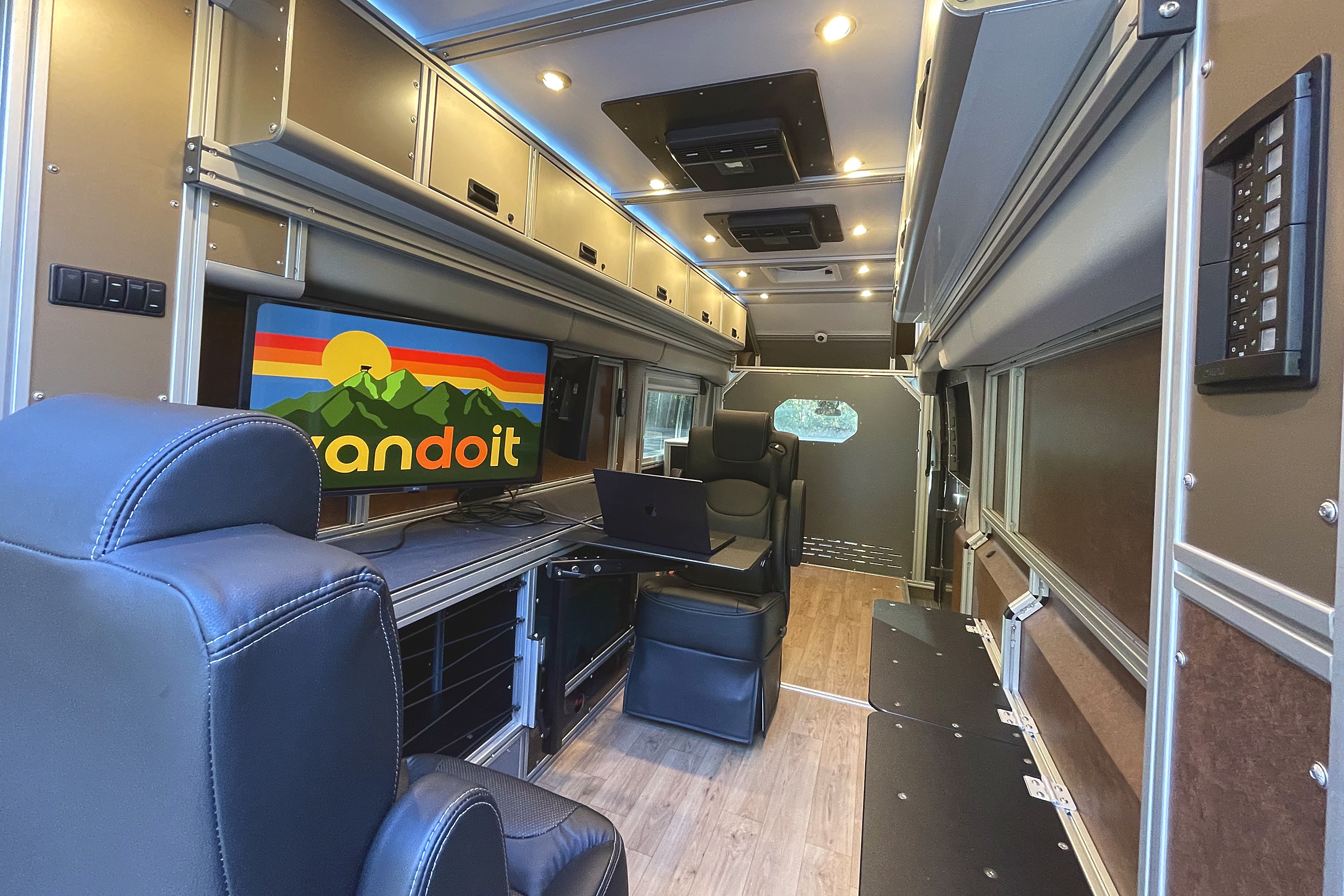
Interior of a Vandoit Commercial Ford Transit mobile crisis unit, showing facing swivel seating and the clinician desk. Photo: Vandoit Commercial.
Vandoit Commercial CCBHC mobile crisis unit
Vandoit Commercial CCBHC mobile crisis unit
Vandoit Commercial CCBHC mobile crisis unit
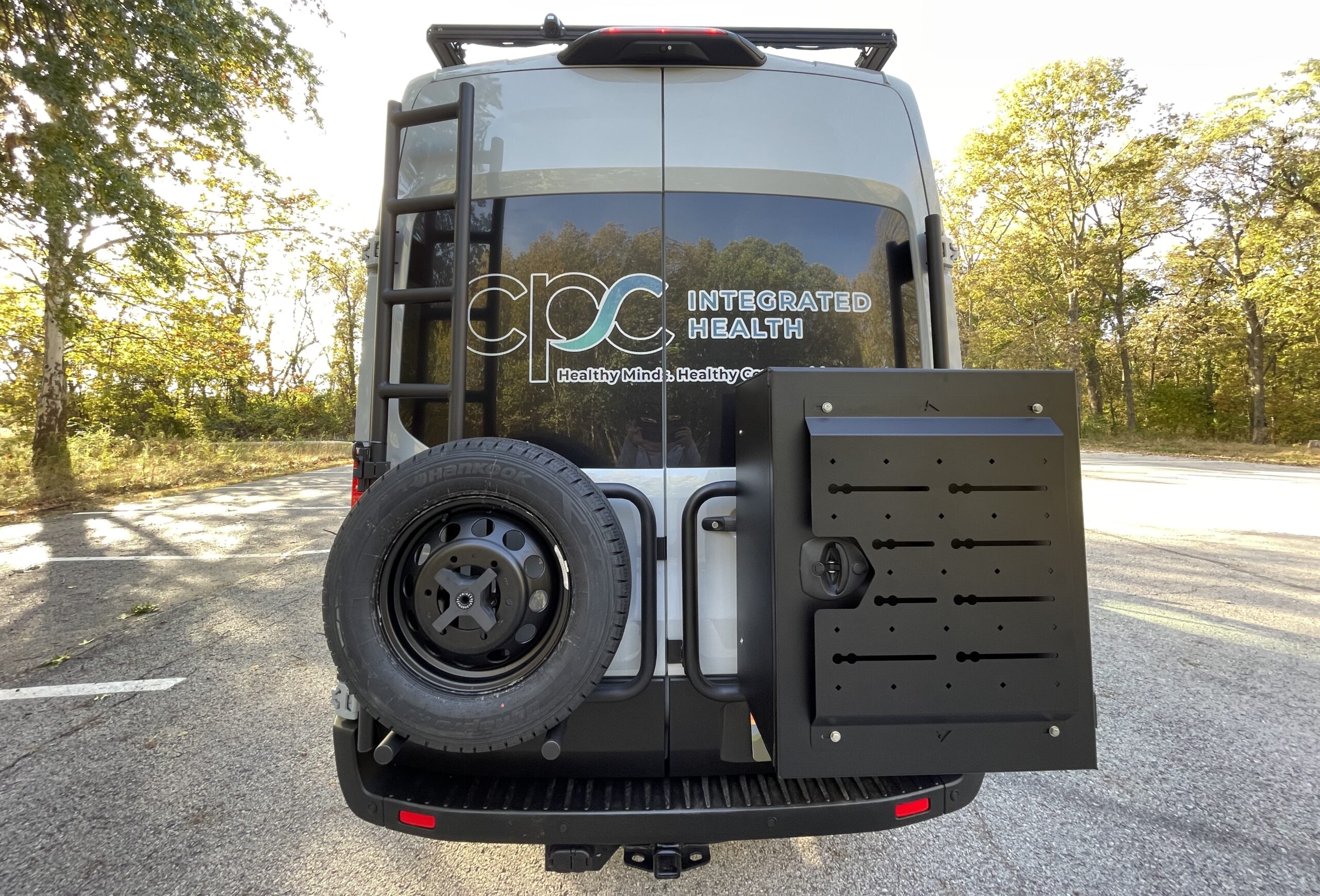
Vandoit Commercial CCBHC mobile crisis unit
SAMHSA's CCBHC FAQ says telehealth alone does not meet the mobile crisis standard. Vandoit Commercial outlines the workspace a Ford Transit crisis van adds.
BLUE SPRINGS, MO, UNITED STATES, November 9, 2026 /EINPresswire.com/ -- Certified Community Behavioral Health Clinics (CCBHCs) are expected to keep crisis care reachable around the clock, and federal guidance on what counts as a mobile response is specific. SAMHSA's CCBHC Criteria FAQs state that people should be able to contact a CCBHC 24 hours a day and that a mobile crisis response should also be provided within three hours, 24 hours a day. The same FAQs say a telehealth response alone does not meet the mobile crisis criteria: the clinic needs the ability, directly or through a Designated Collaborating Organization, to respond in person within three hours.
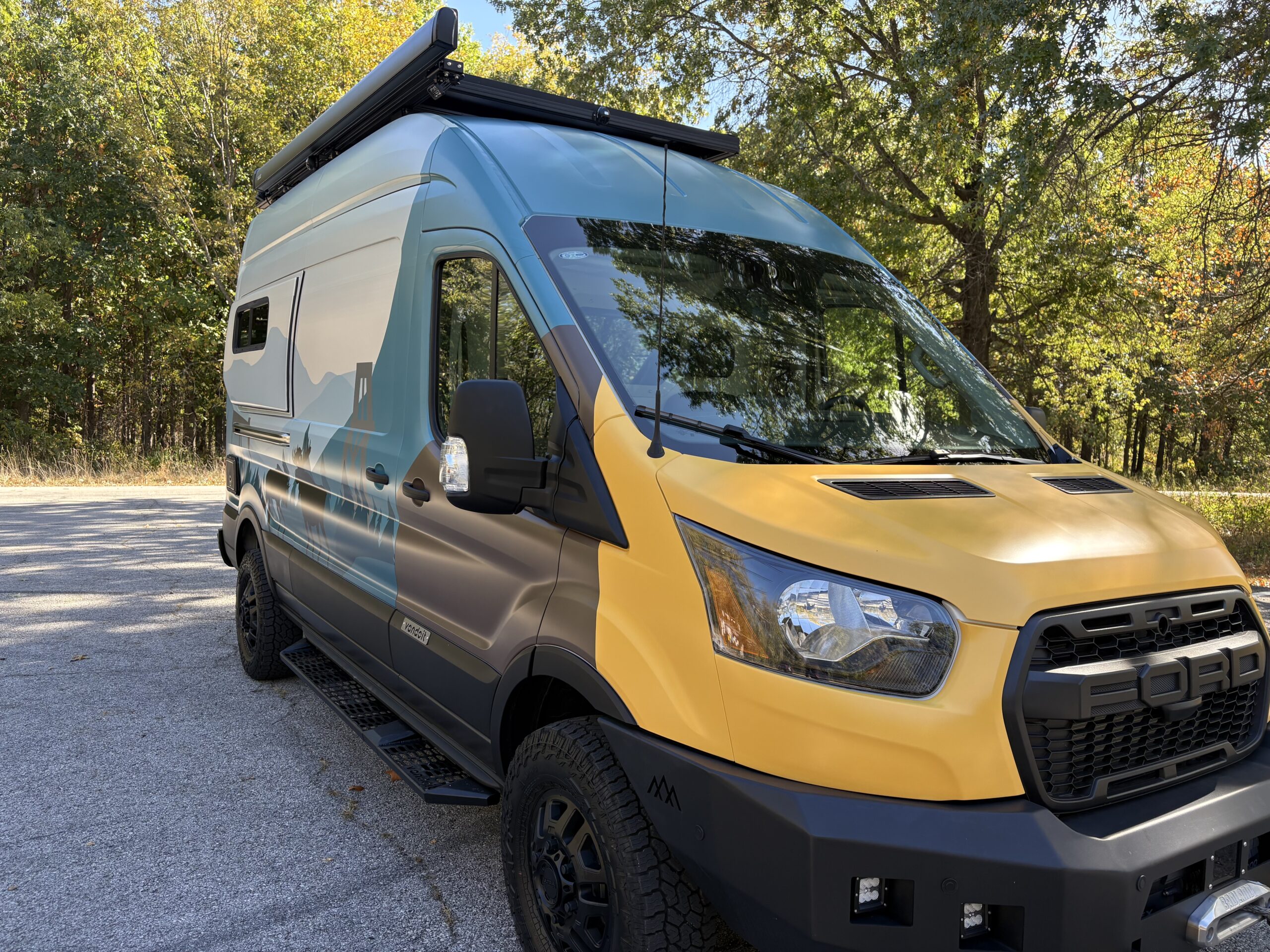
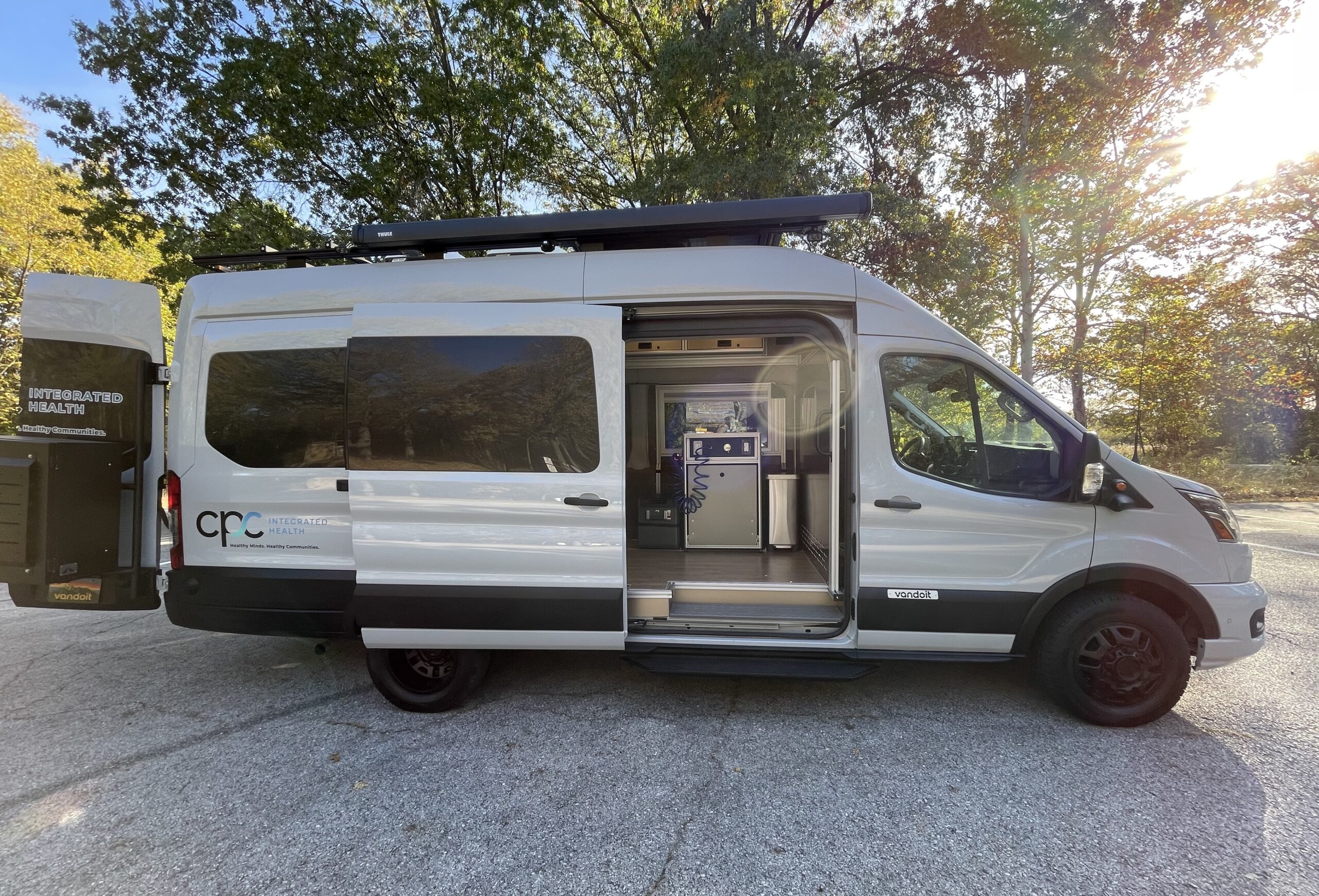
That requirement concerns clinical readiness and staffing. It also concerns logistics. A team that responds in a personal car or a spare fleet sedan can reach an address and still lack a quiet place to talk, a desk to chart at, or reliable power for a laptop and a telehealth screen in a parking lot at 2 a.m. Vandoit Commercial, a Missouri builder of mobile clinics and commercial upfit vans, builds mobile crisis response units on Ford Transit vans to close that gap.
"The criteria set the response standard, not the equipment," said Jared McCauslin, Chief Executive Officer of Vandoit Commercial. "A crisis team still has to get there in person, and once it arrives it needs a quiet, powered place to work. That is the part we build."
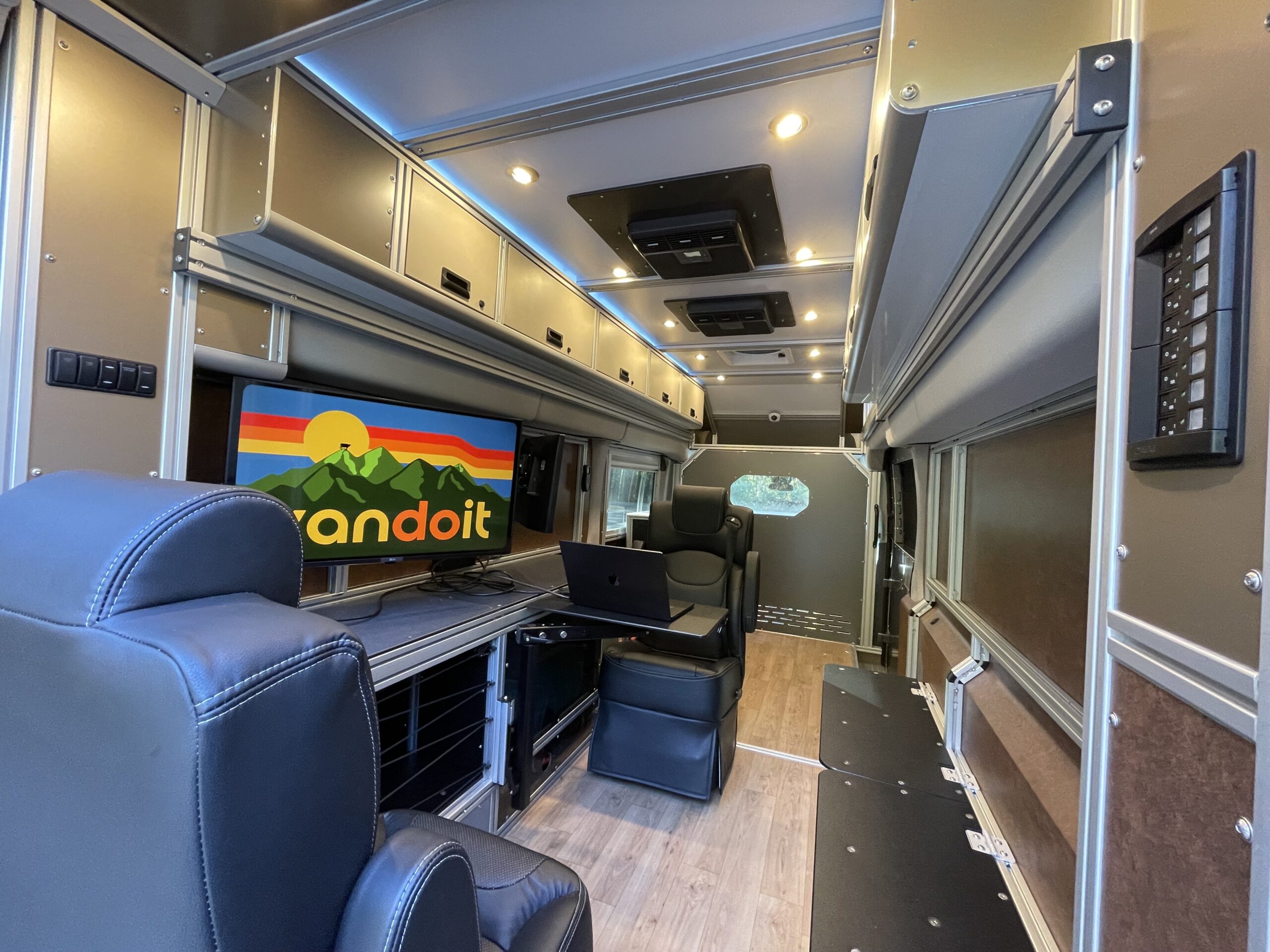
The company's CCBHC mobile crisis layout places two swivel captain chairs facing each other, with a bench along one side, behind a bulkhead with a viewing window. A solid privacy wall or a curtain is optional and can turn one van into two rooms. A clinician station with a pivoting work surface and screens sits up front, a sink module supports hygiene protocol and basic health screenings, and onboard SIM Wi-Fi and Starlink hardware let clinicians use their own electronic health record and bring in a prescriber by telehealth.
Power is part of the same specification. In the Crisis Response & Outreach Clinic package published on the Vandoit Commercial CCBHC mobile crisis page, a 6,000-watt-hour battery bank charges from the engine alternator while the van is driving, from roof solar while it is parked, and from shore power at the clinic's building. It supplies twelve 110-volt outlets for laptops, screens and Wi-Fi. Package contents can be scaled to a program and budget and are confirmed during design.
"Response targets, staffing and protocols belong to the provider and the state," McCauslin added. "We build the vehicle around how a team already works, so the people responding have what they need when they get there."
A purpose-built van does not by itself establish CCBHC certification, and organizations should check their state's certification requirements. Vandoit Commercial also upfits Ford Transit vans that an organization already owns. Organizations planning mobile crisis response can start with a discovery call about how their team responds today at (816) 944-2229.
About Vandoit Commercial
Vandoit Commercial designs and builds mobile medical clinics, mobile crisis units and commercial upfit vans for healthcare, community outreach, emergency response and other commercial uses. The company is a Ford Pro partner, is NHTSA compliant and RVIA certified, and is family owned. It is headquartered in Chillicothe, Missouri, and builds its vehicles at 2925 NW State Hwy 7, Blue Springs, MO 64014. More at vandoit.com.
Kaylee Anderson
Vandoit Commercial
+1 816-944-2229
Visit us on social media:
LinkedIn
Instagram
Facebook
YouTube
TikTok
Legal Disclaimer:
EIN Presswire provides this news content "as is" without warranty of any kind. We do not accept any responsibility or liability for the accuracy, content, images, videos, licenses, completeness, legality, or reliability of the information contained in this article. If you have any complaints or copyright issues related to this article, kindly contact the author above.
